
Monochrome Golf Outfit Men Will Actually Wear
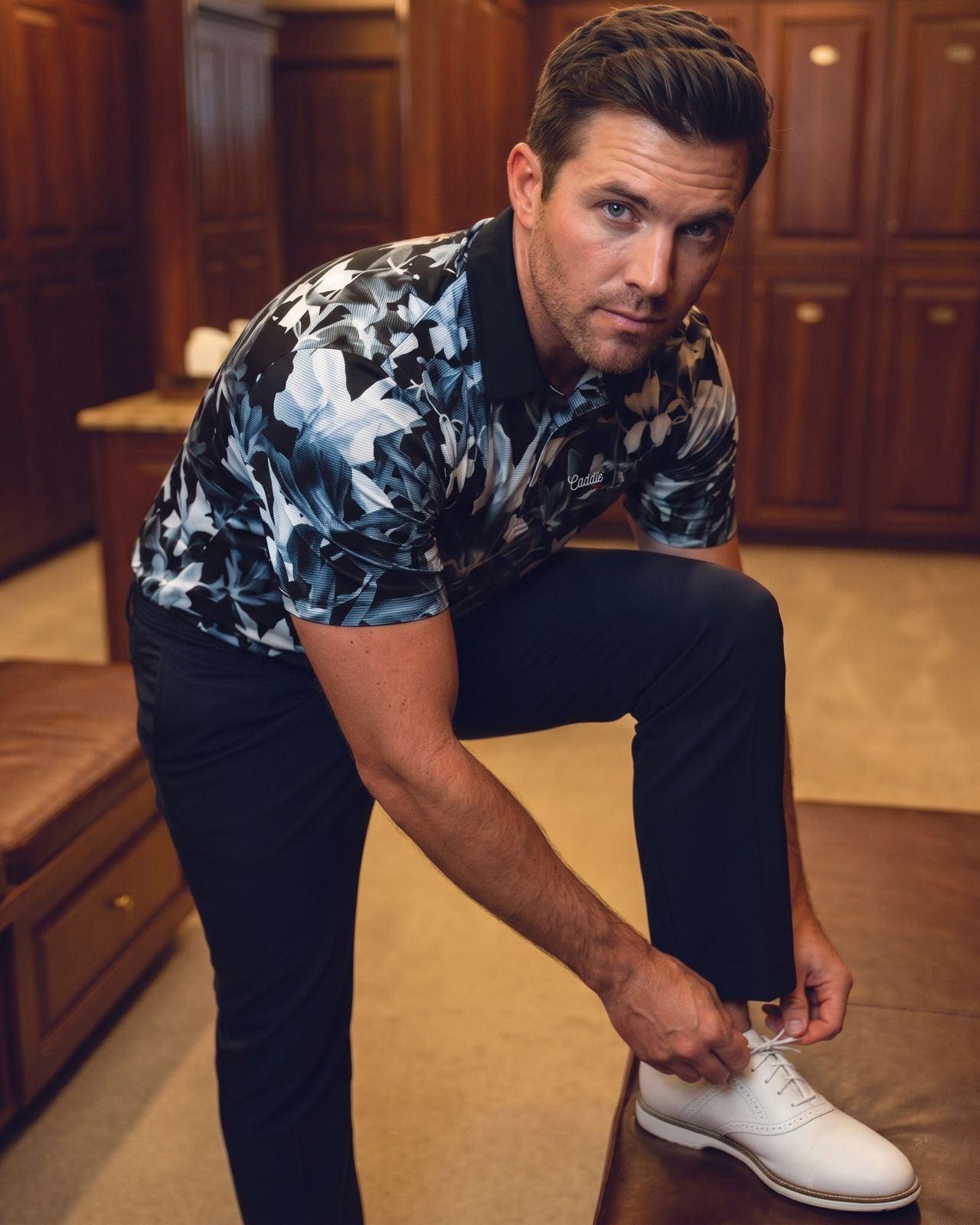
You can spot a forced outfit from the first tee. Too many colours, too many logos, too much going on. A monochrome golf outfit men actually want to wear gets the opposite reaction. It looks sharp without trying too hard, feels modern, and gives you that clean, composed edge before you’ve even pulled a club.
That matters more in golf than people like to admit. The game is packed with tradition, but style has moved on. Modern players want performance kit that looks current, not stiff. Monochrome does that brilliantly. It strips things back, adds impact, and makes every piece feel considered.
Why monochrome works so well on the course
Golf style has a habit of leaning safe. Beige trousers, bright polo, standard quarter zip, repeat. Monochrome breaks that cycle without turning your outfit into a costume. Sticking to one colour family creates a stronger silhouette, which instantly looks more premium and more intentional.
It also solves a practical problem. Getting dressed for golf should not feel like a puzzle at 6.30 on a Saturday morning. When your polo, outer layer and trousers sit in the same tonal lane, everything works faster. Less second-guessing, more confidence.
There is a performance angle too. Good golf clothing is built to move, breathe and layer. Monochrome styling makes those technical pieces feel cleaner because the focus stays on fit, fabric and finish rather than clashing colours. If the cut is right and the material performs, a simple palette lets that show.
Building a monochrome golf outfit for men
The best monochrome looks are not always one exact shade from head to toe. That can work, but it can also look flat if every piece is identical. The smarter approach is tonal dressing - mixing lighter and darker versions of the same colour so the outfit has depth.
Start with the hero piece
Usually that is the polo. It sets the mood for the rest of the look. A black performance polo gives you a crisp, high-contrast base that feels athletic and polished. A grey polo can feel slightly softer and more understated. Navy sits somewhere in the middle - classic enough for traditional clubs, modern enough to keep the look current.
Once that piece is locked in, the rest becomes easier. Match it with joggers, tailored golf trousers or shorts in the same colour family. Then add a layer if the forecast demands it.
Use contrast through tone, not colour
This is where monochrome outfits either look expensive or look lazy. If your top, bottoms and layering piece are all the exact same fabric and shade, the whole look can lose shape. Instead, mix charcoal with black, stone with off-white, or deep navy with slate blue. You stay within one visual story, but the outfit still has movement.
Texture helps as well. A smooth technical polo under a lightly structured quarter zip or matte windbreaker adds interest without breaking the monochrome line.
Keep the fit clean
Monochrome is unforgiving in the best way. It makes a good fit look even better, and a poor fit far more obvious. Trousers that taper properly, polos that skim rather than cling, and outerwear that layers neatly all make a difference.
That is why this look suits modern golf apparel so well. Technical stretch fabrics, shaped seams and cleaner cuts are built for it. A monochrome outfit should feel athletic, not restrictive.
The strongest colour options
Not every monochrome palette lands the same way. Some feel sharper on the course, some are easier to wear, and some depend on the season.
Black
Black is the boldest move. It is sleek, direct and high impact. A black polo with black joggers or trousers creates a strong profile straight away, especially with subtle detailing rather than loud branding. The trade-off is practical - on hot days, all-black can feel heavier visually and physically, depending on fabric weight.
If you want the black look without going too severe, break it with a slightly faded charcoal layer or light grey accessories.
Grey
Grey is the easiest entry point for a monochrome golf outfit men are unsure about. It looks modern but not aggressive, and it works across almost every season. Light grey can feel fresh in spring and summer, while darker graphite tones hold up brilliantly in cooler weather.
The key with grey is avoiding a washed-out finish. Mix shades and pay attention to fabric quality so the outfit feels deliberate rather than dull.
Navy
Navy is the quiet winner. It carries the same clean energy as black but feels a touch more classic. For golfers who want a monochrome outfit that still sits comfortably in more traditional settings, navy is often the safest bet.
A dark navy polo, matching trousers and a slightly lighter mid-layer is a very easy look to wear. It reads polished, sporty and course-ready without any fuss.
White and stone
Lighter monochrome outfits can look exceptional when done properly. White, off-white, cream and stone tones feel premium and summer-ready, especially in cleaner silhouettes. They also bring a relaxed, confident feel that stands out from darker looks.
The obvious trade-off is upkeep. Pale colours show marks more easily, and golf is not exactly a spotless sport. If you go this route, choose pieces that hold their shape and wash well.
Layering a monochrome golf outfit men can wear year-round
British golf weather rarely gives you one clean answer. Bright morning, wind by the fourth, drizzle on the back nine. That makes layering essential, and monochrome is one of the easiest ways to do it well.
A quarter zip over a polo in similar tones keeps the outfit streamlined. A gilet can sharpen the silhouette while giving you warmth through the core. A lightweight windbreaker adds function on blustery days without ruining the look, as long as it stays in the same palette.
This is where modern golf wardrobes separate themselves from old-school kit. Instead of throwing on any spare layer and hoping for the best, you can build outfits that perform and still look complete. That is a big part of the appeal.
Where men get monochrome wrong
The biggest mistake is thinking monochrome has to mean boring. It does not. It means controlled. There is a difference. The outfit still needs shape, texture and purpose.
Another common miss is over-accessorising. If the outfit is clean, let it stay clean. Loud belts, bright caps and contrasting shoes can pull the whole thing off line. That does not mean everything has to disappear, but your accessories should support the look, not compete with it.
Then there is the issue of formality. A monochrome golf outfit can lean very sharp, which is great, but if every element is too stiff it can lose the relaxed sporting feel that makes modern golf style attractive. The balance usually comes from performance fabrics and slightly athletic cuts.
Making the look feel like you
The best monochrome outfits still leave room for personality. That might come through the fit, a subtle print within the same colour family, or the choice between joggers and tailored trousers. Some players want a cleaner, minimalist finish. Others want a little more edge.
That is why monochrome has such staying power. It is not one outfit. It is a styling approach. You can push it towards classic, athletic or street-inspired depending on the pieces you choose.
For golfers who want statement without noise, this is the sweet spot. Minimal look, maximum impact.
Why this style keeps growing
There is a reason more players are moving towards a monochrome golf outfit for men rather than louder, mismatched combinations. It photographs better, layers better and feels more current. It also fits the way golf culture is changing. Players want technical clothing, but they want presence too.
That shift has opened space for brands willing to treat golf apparel like real style rather than a uniform. Caddie Couture sits in that lane naturally - performance-driven pieces with a modern visual identity, built for golfers who do not want to blend into the background.
If you are building your wardrobe from scratch, start with one colour family and get the essentials right: a well-cut polo, a dependable layer and bottoms that move properly. Once those foundations are in place, the rest follows quickly.
The best part is that monochrome never looks like a gimmick. It looks composed. And on a course where small margins matter, that extra sense of control is no bad thing to carry with you.