

Golf Outerwear That Looks Sharp and Plays Hard
The first tee can feel freezing at 8am and almost mild by the turn. That is exactly why golf outerwear matters more than most players think. Get it wrong and you spend 18 holes tugging at sleeves, overheating on the back nine, or fighting a jacket that moves like cardboard every time you take the club away.
Get it right, and your layer works with you. It keeps the wind off, cuts the chill, sheds a quick shower and still lets you swing freely. Better still, it sharpens your look. Golf style does not need to fade the second the weather turns.
What good golf outerwear actually needs to do
A lot of outerwear looks fine on a hanger and falls apart on the course. Golf is not static. You are walking, rotating, reaching, crouching to line up putts and dealing with weather that can switch in half an hour. A proper golf layer has to keep up with all of that.
The first job is mobility. If a jacket feels tight across the shoulders or pulls through the chest, you will notice it immediately in the swing. Stretch matters. So does cut. A golf-specific fit should give you room to move without turning boxy or bulky.
The second job is weather protection. That does not always mean full storm armour. Sometimes a lightweight windbreaker is the right call. Sometimes you need a warmer layer that holds heat during a cold morning round. And sometimes you need protection from drizzle without wrapping yourself in a noisy shell that feels better suited to a hike than a fairway.
Then there is breathability, which gets ignored until you are four holes in and too warm. The best outerwear balances protection with airflow. If it traps too much heat, you end up unzipping, peeling layers off, and carrying half your outfit round the course.
Style matters too. There is no reason to settle for outerwear that feels old-fashioned or anonymous. Modern golf clothing should perform, yes, but it should also look current. Clean monochrome, strong contrast, or a print with real intent can lift an entire outfit without sacrificing function.
Choosing golf outerwear for the weather, not the label
Not every round calls for the same layer, which is why buying outerwear by category makes more sense than buying it by hype.
Windbreakers for exposed courses
If you play links golf or spend time on open inland courses, wind can be the thing that gets you before rain does. A good windbreaker is one of the most useful pieces in the wardrobe because it handles that exposed feel without loading you up with weight.
It should feel light, easy to swing in and simple to pack away when the temperature lifts. This is the piece you reach for when the forecast looks dry enough, but the breeze says otherwise. The trade-off is warmth. A windbreaker blocks the elements well, but on colder days it still needs the right base layer underneath.
Quarter zips for flexible layering
Quarter zips are a staple for a reason. They sit neatly between smart and sporty, and they handle shifting conditions better than heavier jackets. On cool days, one over a polo is often enough. On colder starts, it can sit under a jacket without creating too much bulk.
This is where fabric makes the difference. If the material is too heavy, it can feel restrictive. If it is too thin, it loses its purpose. The sweet spot is a performance fabric with stretch, a clean shape and enough warmth to earn its place in the bag.
Gilets for core warmth without sleeve restriction
Some players hate any extra fabric on the arms during the swing. That is where a gilet comes into its own. It warms the core, keeps the profile clean and leaves your shoulders and sleeves completely free.
It is a smart option for autumn golf or crisp spring mornings, especially if you already run warm once you start walking. The obvious limit is arm coverage. If the wind is biting or light rain is hanging around, a gilet may need support from a long-sleeve layer underneath.
Hoodies and warmer layers for casual rounds
Golf style has moved on, and that is a good thing. Hoodies have earned their place, especially for casual rounds, range sessions and off-course wear that still feels course-ready. The best ones bring comfort and a modern silhouette without looking sloppy.
It does depend on where you play. Some clubs are more traditional than others, so it is worth knowing the dress expectations before you turn up. But from a pure wearability point of view, a well-cut golf hoodie offers warmth, softness and a more relaxed edge than classic knitwear.
Fit can make or break your round
Even the best fabric will not save a poor fit. Golf outerwear should sit close enough to look sharp but never tight enough to interfere with motion. That sounds simple, but it is where many players go wrong.
The shoulders are the first checkpoint. If they pinch or pull at address, move on. Sleeve length matters as well. Too short and the whole piece feels off. Too long and it starts to bunch around the hands and wrists, which is distracting when you are gripping the club.
Length through the body needs balance. A jacket that rides up during the swing gets annoying quickly. One that is too long can look clumsy and feel heavy. You want a shape that stays put, layers neatly and still looks considered rather than oversized.
For golfers who like to wear a polo under everything, make sure there is enough room to layer without losing shape. If you regularly play in colder months, check whether the piece can handle an extra base layer too. It is always easier to buy with real use in mind than to chase a flattering fit that only works in the mirror.
Style on the course has changed - and outerwear has changed with it
There was a time when golf outerwear leaned heavily into safe colours and forgettable design. Functional, maybe. Memorable, not really. That is no longer enough for players who care how they look as much as how they play.
Modern golf style has more confidence. That means cleaner silhouettes, better colour use, stronger detailing and pieces that feel current beyond the course. Outerwear is now part of the look, not just the thing you throw on when the clouds roll in.
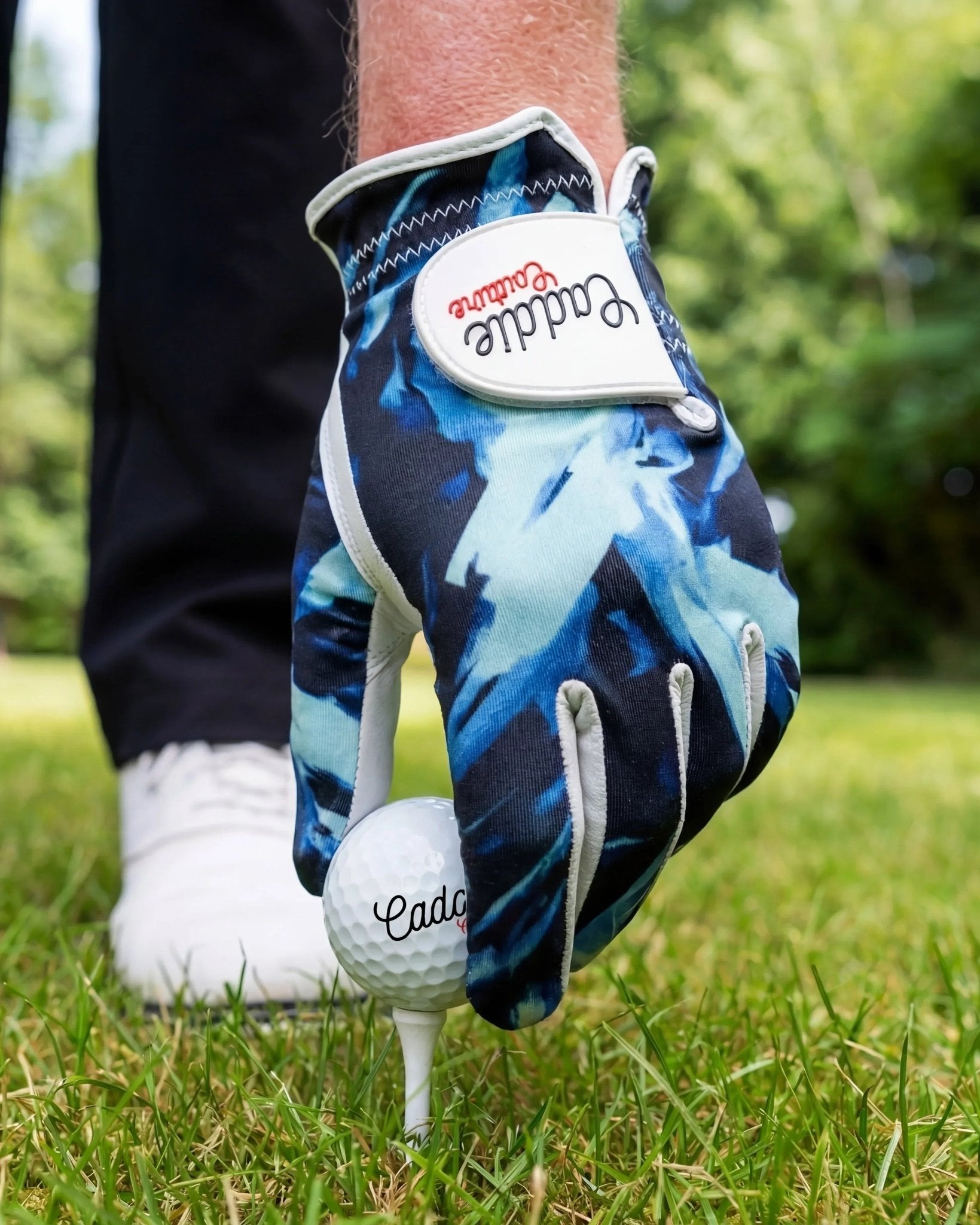
That is where brands such as Caddie Couture have shifted the conversation. The focus is not simply on staying warm. It is on bringing performance and presence together, so the layer you wear in poor weather still feels intentional.
This matters because outerwear gets seen. It frames the outfit. It is often the first thing people notice on the tee. A sharp gilet over a crisp polo or a bold windbreaker paired with clean trousers can completely change the energy of your look. Minimal can work. Statement can work too. The key is making it look chosen, not accidental.
How to build a golf outerwear rotation that actually works
Most golfers do not need a wardrobe full of overlapping jackets. They need a tight rotation that covers the conditions they really play in.
Start with one lightweight layer for wind and mixed forecasts. Then add one midweight piece, such as a quarter zip or insulated gilet, for cooler rounds. If you play through winter or in exposed conditions, a warmer outer layer earns its place quickly.
Think about your local weather and your habits. If you mainly play early mornings, warmth matters more. If you travel for golf or play in changeable conditions, packability becomes a bigger factor. If you want pieces that work off the course too, choose styles with enough edge and simplicity to wear beyond the clubhouse.
Colour deserves some thought as well. Black, navy and grey are easy wins because they go with almost anything. But there is also room for brighter shades, contrast panels or pattern if that is how you like to dress. Golf has room for more personality than it used to.
The details worth checking before you buy
Small design choices make a bigger difference than they seem. Zip quality matters because a stiff or awkward zip gets old fast. Cuffs should feel neat, not fussy. Pockets need to sit flat and stay practical without adding bulk.
Fabric finish is another one. Some outerwear looks technical but feels cheap in hand. Others have the right weight, softness and stretch from the start. If a piece feels uncomfortable before the first wear, it will not improve halfway through a round.
Care matters too. Golf clothing gets used, washed and packed repeatedly. The easier it is to maintain shape and performance, the more value it gives over time. A stylish jacket that loses its finish after a few washes is not a good buy, however strong it looked online.
Good golf outerwear should do more than rescue you from bad weather. It should support your swing, fit your routine and add something to your overall look. Pick pieces with purpose, not just panic-buy layers for the next cold snap. When your outerwear feels right, the whole round feels more dialled in.