
Junior Golf Wardrobe Essentials That Stand Out
A junior golfer should not have to choose between feeling comfortable and looking the part. The right junior golf wardrobe essentials make early tee times, after-school lessons and long summer rounds far more enjoyable - while giving young players a style that feels like their own.
Golf has moved on from stiff trousers and forgettable polos. Young players need clothing that can handle a full swing, a sudden shower, muddy paths and a trip to the clubhouse afterwards. Build the wardrobe around performance first, then bring in the colour, pattern and personality.
Start with performance polos
A good polo is the centrepiece of any junior golf wardrobe. It is smart enough for clubs with a dress code, practical enough for practice, and easy to layer when the weather turns. Look for lightweight, breathable fabric with plenty of stretch through the shoulders and chest. If a top pulls across the back during a swing, it is not doing its job.
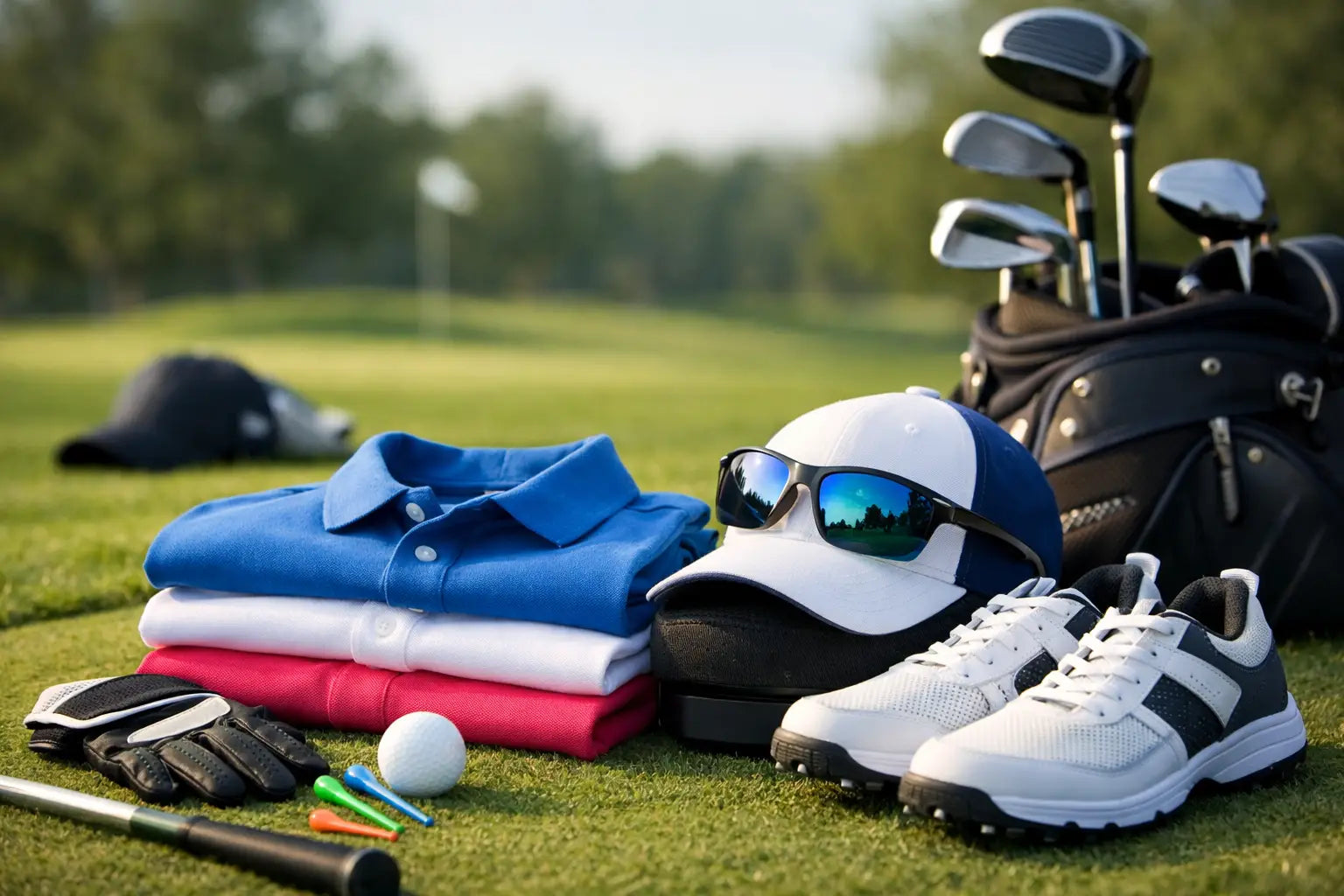
Two or three polos is usually the sweet spot for a young golfer who plays regularly. One clean, versatile option in a neutral shade covers competitions and more traditional clubs. The others can bring the energy: bold prints, sharp monochrome contrasts or brighter colours that stand out against the fairway.
Fit matters more than a number on the label. A polo should sit neatly at the shoulders, stay long enough to remain tucked in if required, and allow full movement without looking baggy. Buying several sizes up may seem sensible for a growing child, but oversized sleeves and excess fabric can get in the way and make them feel less confident.
Build junior golf wardrobe essentials around layers
British golf weather rarely sticks to one plan. A warm range session can become a windy nine holes, while a clear morning can quickly turn damp. Smart layering keeps a junior player ready without filling their bag with bulky kit.
A lightweight golf hoodie or quarter zip is ideal for cool starts and breezy fairways. Choose a layer with stretch, a close but comfortable fit, and cuffs that do not slide over the hands at address. Heavy cotton sweatshirts feel cosy off the course but can become restrictive or clammy during a round, especially when worn under waterproofs.
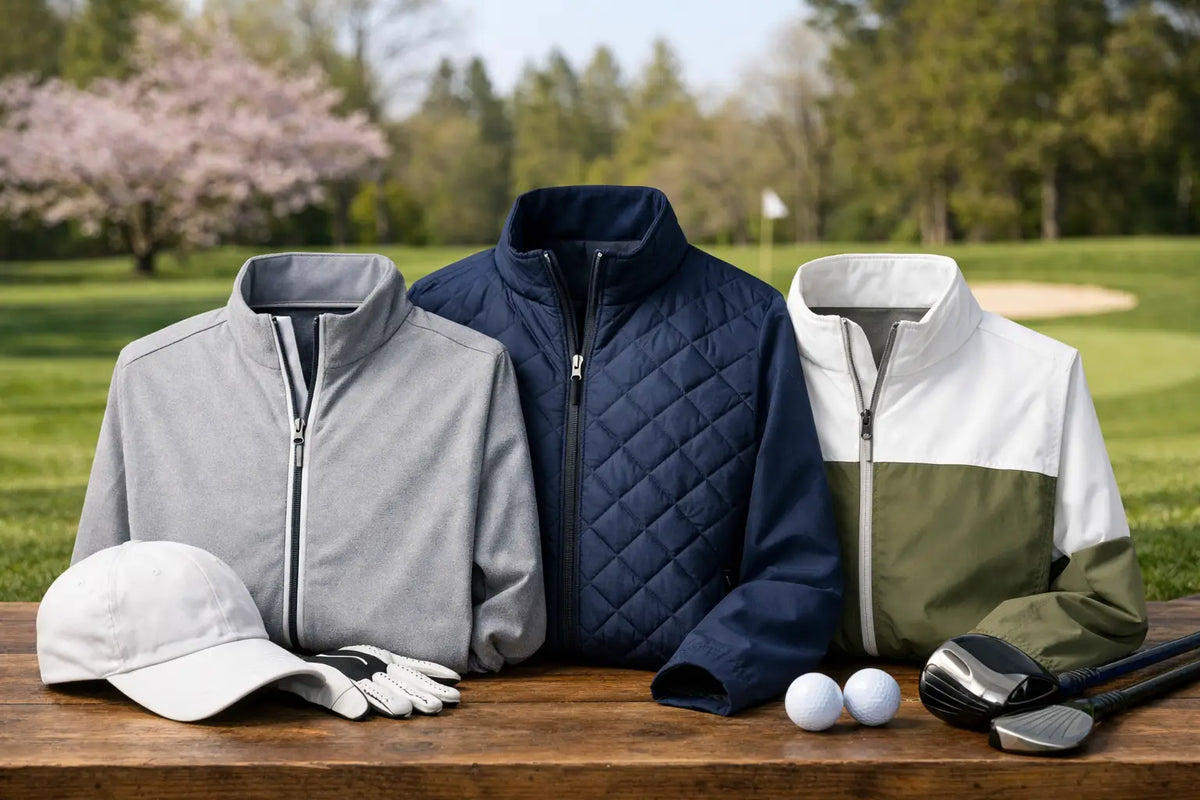
For windier days, a windbreaker jacket earns its place. It should be light enough to pack away and quiet enough not to distract during the swing. A gilet can also work well when extra warmth is needed around the core but the arms need complete freedom. The best choice depends on the player: juniors who feel the cold will get more use from a quarter zip and jacket, while active players may prefer a lighter gilet they can wear for most of the round.
Waterproofs are a separate conversation. A showerproof layer is useful, but it is not the same as a fully waterproof jacket for wet winter golf. If they play through the colder months, invest in a proper waterproof outer layer with room for a polo and mid-layer underneath. Test the range of motion before the first rainy medal, not on the first tee.
Trousers, shorts and joggers that move
Bottoms should make a young golfer forget about what they are wearing. Stretch golf trousers are the dependable option for cooler days, club competitions and courses where shorts are not permitted. A tapered fit looks current, but it should not be tight around the knees or thighs. Golf is full of bends, squats, walks and rotational movement.
Golf joggers are a strong choice for lessons, driving range sessions and casual rounds. They deliver a more modern sportswear look without sacrificing course-ready function. For a sharper club environment, check the dress code first. Some clubs welcome tailored joggers; others will expect trousers for junior competitions.
When the sun is out, tailored golf shorts are hard to beat. Aim for a comfortable waistband and a length that feels appropriate rather than overly long or restrictive. A pair in black, navy or stone will work with almost any polo, then a brighter pair can add a more expressive option for holidays and summer golf.
Do not overlook socks, shoes and gloves
The smallest pieces often decide whether a round feels great or becomes a distraction. Golf socks should stay put, cushion the heel and keep feet comfortable over several miles of walking. Thin fashion socks tend to slip, bunch up and cause blisters. A few pairs of purpose-made sports socks are a better investment.
Golf shoes need grip, support and enough room at the toe. Juniors grow quickly, but shoes that are too large can affect stability and make walking uncomfortable. Check the fit with the socks they will actually wear on course, and leave a little growing room without letting the heel move around.
A glove helps young players maintain control in damp, humid or hot conditions. It should feel snug across the palm without pulling at the fingers. Most right-handed golfers wear a glove on the left hand; left-handed golfers generally wear one on the right. Keeping a spare in the bag is wise, particularly when wet weather is forecast.
Add accessories with a job to do
Accessories are where practical preparation can look seriously good. A cap or visor protects the eyes and makes reading a putt easier on bright days. In colder weather, a beanie keeps warmth in before the round and between shots. Choose pieces that fit securely: constantly adjusting a cap or tugging at a loose hat is an unnecessary distraction.
Every junior bag should also have a golf towel for clubs, hands and unexpected rain. A compact umbrella, refillable water bottle and sunscreen belong in the same conversation, especially during summer coaching camps and all-day competitions. These are not glamorous additions, but they help players stay focused when conditions change.
A distinctive ball marker can add a little character without affecting performance. It is a small detail, but golf is built on rituals. Young golfers often enjoy having gear that feels personal, whether that means a bold marker, a patterned towel or a cap that matches their favourite polo.
Let personality lead, within the rules
The best junior golf wardrobe does not look like a miniature version of someone else's. It should give the player confidence to step onto the tee feeling prepared, comfortable and unmistakably themselves. That might mean a clean black-and-white outfit, a loud patterned polo or a bright layer that refuses to blend into a grey winter morning.
There is a balance. For formal competitions, start with the club's dress code and build from there. A smart polo, tailored trousers or shorts and clean golf shoes will nearly always work. Outside those moments, there is room to experiment. Training sessions and casual rounds are the perfect place for bolder patterns, modern joggers and a more relaxed golf look.
At Caddie Couture, that mix of performance and presence is the point: clothing should support the swing, hold up to the elements and make young players feel excited to wear it.
A simple wardrobe that works harder
There is no need to buy an outfit for every round. A compact rotation of well-chosen pieces offers more value and far more outfit options. Start with two or three performance polos, one warm mid-layer, one weather layer, a pair of trousers, a pair of shorts or joggers, comfortable shoes and the right accessories. Add another standout polo or layer when they begin to play more often.
Wash performance clothing according to the care label, avoid fabric conditioner where recommended, and let shoes dry naturally after wet rounds. Looking after the kit extends its life - useful when growth spurts already make replacements inevitable.
The goal is simple: choose clothes that let juniors swing freely, stay ready for the weather and walk onto the course with real confidence. When they feel good before the first shot, they are more likely to enjoy the round, stick with the game and make every fairway their own.